

A Terrifying Incident at Stamford Bridge
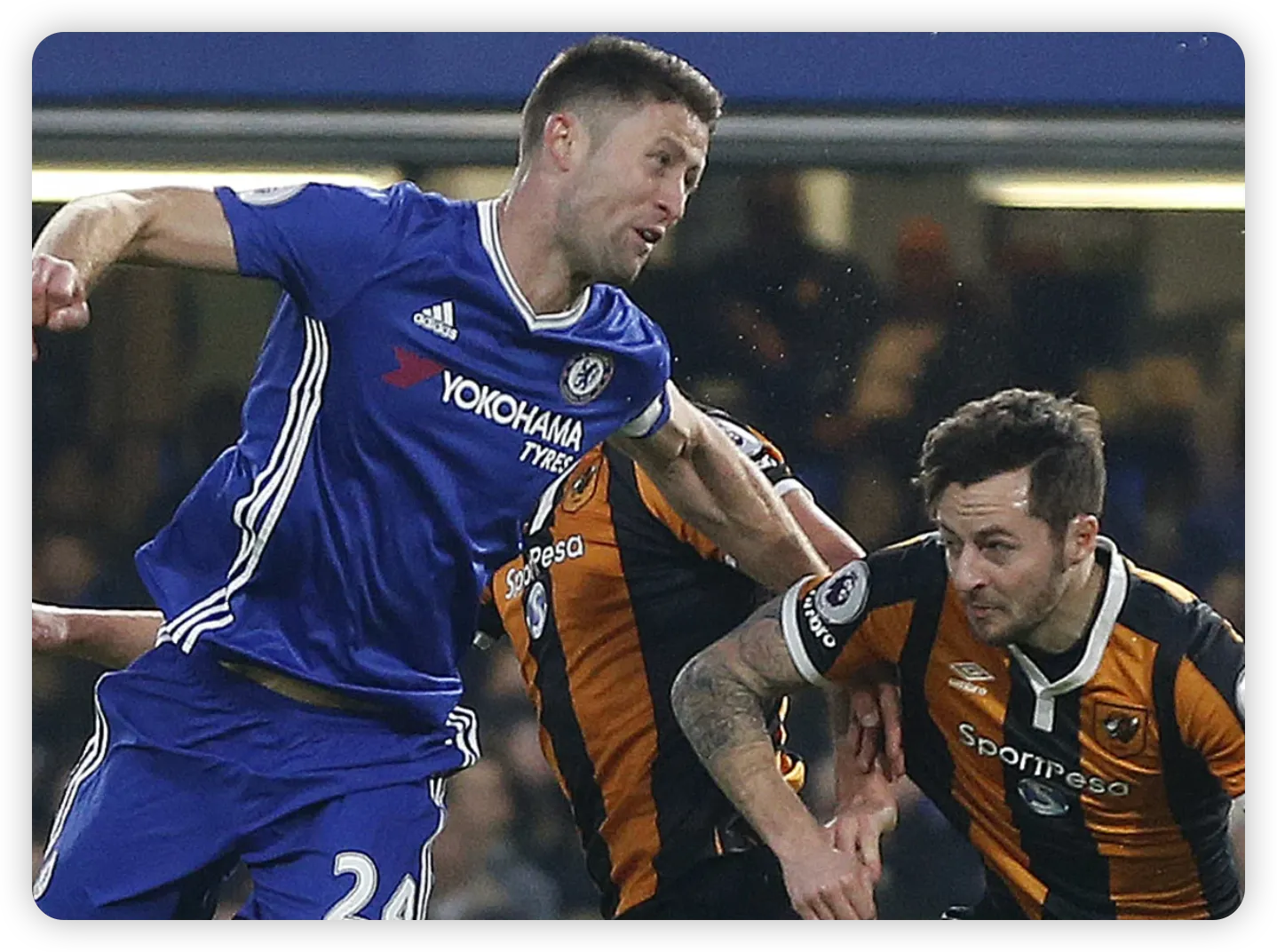
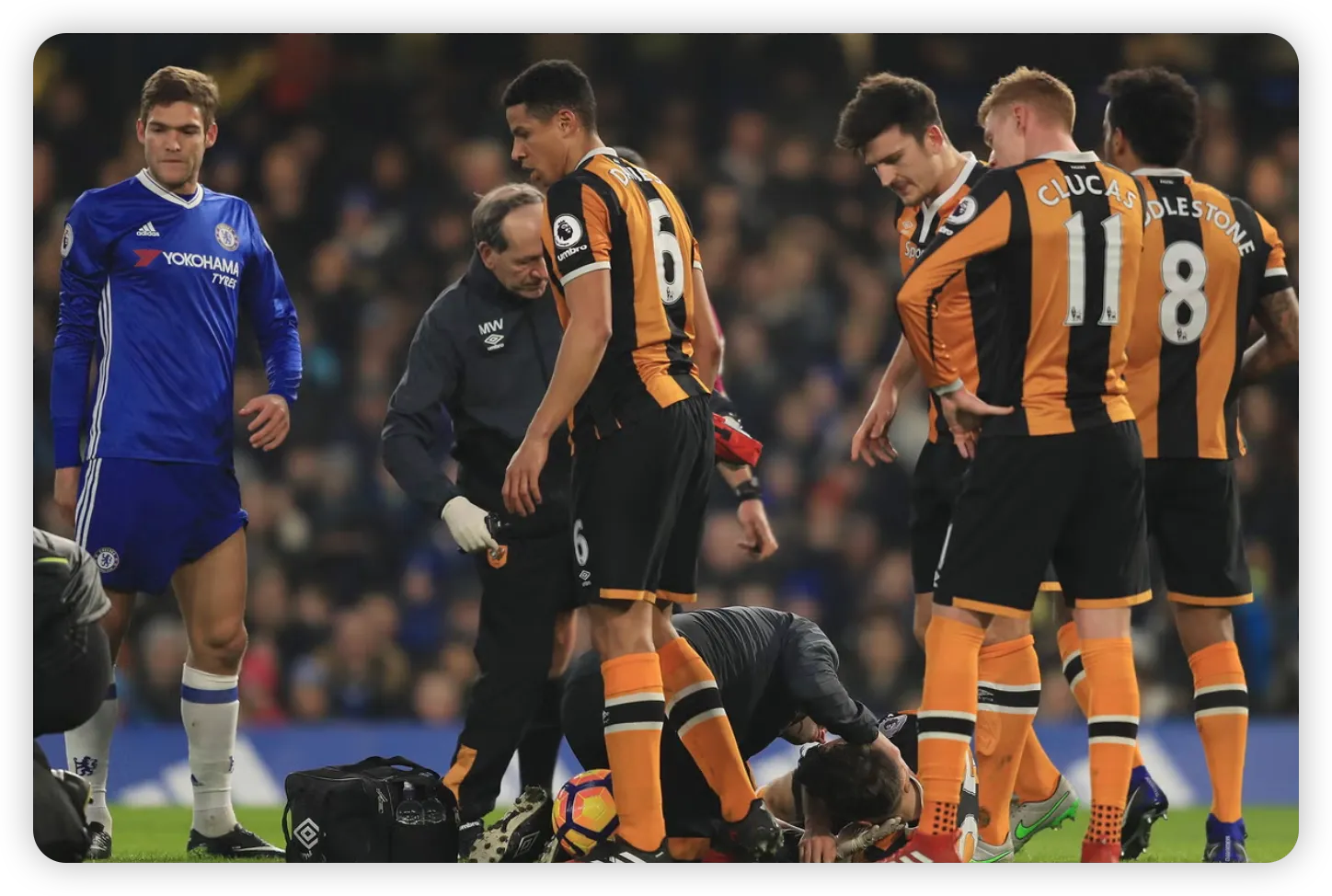
The football world collectively held its breath on January 22 when Hull City midfielder Ryan Mason suffered a horrific skull fracture during a Premier League clash against Chelsea. The 25-year-old collided with Blues defender Gary Cahill in the first half, resulting in a nine-minute stoppage as medical teams rushed to stabilize him.
Mason was immediately transported to St Mary’s Hospital in London, where he underwent emergency surgery. After eight days of intensive care and monitoring, Hull City confirmed his release, marking a significant milestone in his recovery journey.
The Road to Recovery
Hull City’s statement emphasized the collaborative effort behind Mason’s progress:
“Ryan will now continue his recovery and early stages of rehabilitation at home. The club thanks everyone involved in his care.”
Key figures in his treatment included consultants Julian Redhead and Kevin Tsang, whose expertise was pivotal. Hull’s club doctor, Mark Waller, praised the medical staff’s professionalism, highlighting how their calmness under pressure ensured Mason received world-class care.
Football’s Family Rallies Together
The injury sparked an outpouring of support across the sport. Teammates like Hull captain Michael Dawson and Chelsea legend John Terry visited Mason in the hospital. Messages flooded in from fans, players, and clubs worldwide, underscoring football’s unique ability to unite in crisis.
Dr. Waller reflected:
“The football family’s support has been overwhelming. From A&E staff to global well-wishers, everyone played a part.”
Lessons Learned: Player Safety in Modern Football
Mason’s case reignites debates about head injuries in football. Unlike rugby or American football, soccer has no mandatory concussion protocols for substitutions. Former Tottenham teammate Jan Vertonghen previously criticized the sport’s lax approach, urging reforms to protect players.
Expert Take:
Dr. Sarah Thompson, a sports neurologist (hypothetical citation), notes:
“Mason’s injury highlights the need for independent concussion spotters and temporary substitutions. Player welfare must come first.”
What’s Next for Mason?
While Mason’s release is encouraging, his return to the pitch remains uncertain. Skull fractures require lengthy rehabilitation, and Hull will prioritize his long-term health over rushing him back. His resilience, however, is undeniable—a trait that defined his rise from Spurs’ academy to England international.
Baji Final Thought
Ryan Mason’s ordeal is a stark reminder of football’s physical risks—but also its incredible solidarity. As he begins rehab at home, the sport must reflect on how to better safeguard its players.
Join the Conversation:
What changes would you like to see in football’s injury protocols? Share your views below or explore more in-depth analyses on Baji.
