

The search for Scotland’s next national team manager took a dramatic and public turn, culminating in the resignation of Scottish Football Association (SFA) chief executive Stewart Regan. The saga, which saw top target Michael O’Neill reject the role, has sparked intense debate about the governing body’s internal structure and decision-making processes. This Baji live analysis delves into the fallout, examining the power dynamics at play and what it means for the future of Scottish football.
The Regan Resignation: A Consequence of the O’Neill Debacle
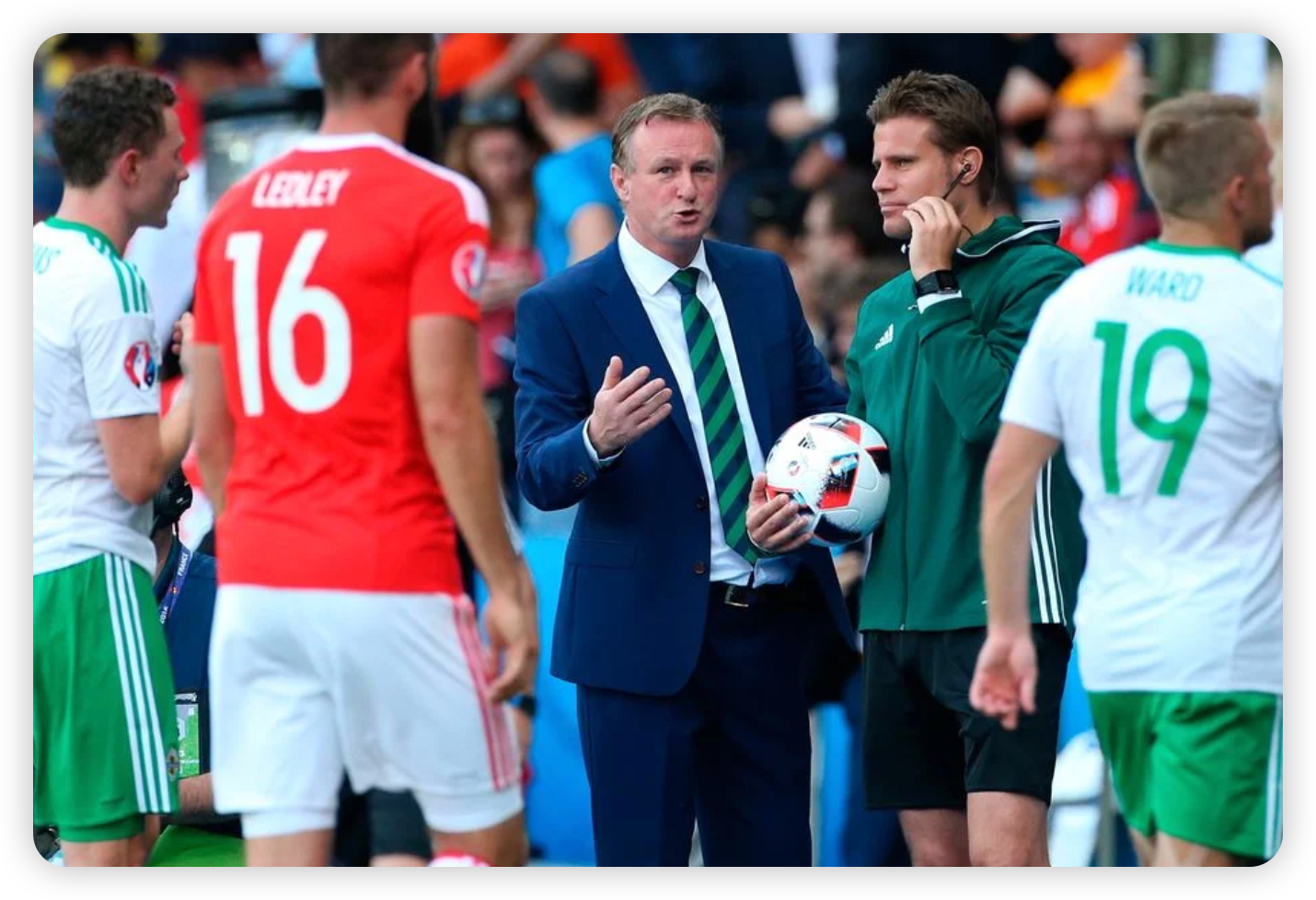
Stewart Regan’s tenure as chief executive came to an abrupt end just one week after Northern Ireland manager Michael O’Neill publicly declined the SFA’s offer to take the helm of the national team. This very public rejection was seen as a significant embarrassment for the association, and Regan ultimately bore the brunt of the responsibility.
The pursuit of O’Neill was a poorly kept secret, widely reported across the sporting press, which made the eventual failure to secure his signature all the more glaring. The episode highlighted a critical flaw in the SFA’s approach to high-stakes negotiations, placing a spotlight on its operational transparency.

Gordon Smith’s Perspective: A Question of Power and Blame
Gordon Smith, who held the CEO role from 2007 to 2010, offered a fascinating insight into the structural issues within the SFA. Speaking to Baji live, Smith suggested that Regan may not have been the sole architect of the failed approach.
“In my era as chief executive, I wasn’t allowed to make any decisions on my own,” Smith revealed. “Everything was done in conjunction with the board or a committee. While Stewart may have had more power than I did, the fundamental issue remains: a manager appointment is a board decision, not solely the CEO’s.”
This commentary points to a deep-rooted problem where accountability is diffuse. Smith argues that while the CEO becomes the public face of failure, the responsibility is often shared by a committee-driven process that can lack agility and clear direction. This structure, according to Smith, needs urgent reform to empower a chief executive with genuine decision-making authority, who can then be held truly accountable for results.
Beyond O’Neill: Other Controversies of the Regan Era
While the O’Neill situation was the final straw, Smith identified other missteps for which he believes Regan was more directly responsible. A primary concern was the scheduling of post-season friendlies against Mexico and Peru in the summer of 2018.
“That tour attracted a lot of criticism, particularly from Celtic, who formally complained to the SFA,” Smith noted. “Arranging those long-distance fixtures at the end of a grueling season was a decision that likely fell squarely on the CEO’s desk and was widely seen as not being in the best interests of player welfare or club commitments.”
However, Smith was quick to defend Regan on the biggest issue: Scotland’s two-decade absence from a major tournament. “The biggest problem in Scottish football is our failure to qualify since 1998, and that is not the chief executive’s fault. That lies with the players and the football management over the years.”
The Future: Hampden Park and Structural Reform
Looking ahead, Smith also weighed in on two other pressing issues: the home of Scottish football and the necessary internal changes. With the lease on Hampden Park expiring in 2020, there has been speculation about a move to Murrayfield, Scotland’s national rugby union stadium.
“I think football should stay at Hampden Park,” Smith stated emphatically. “It is the traditional home of Scottish football, rich with history. While the stadium certainly requires improvements, its legacy is something we should protect and build upon.”
Regarding the SFA’s future, the lesson from the Regan exit is clear. For Scottish football to move forward, it requires a modernized governance model. The next chief executive must be granted the autonomy to lead decisively, with a supportive but not obstructive board structure. This would allow for swift, strategic action in the transfer market, in managerial appointments, and in planning for the future, rather than being hamstrung by cumbersome committee votes.
Baji live provides the deep analysis that goes beyond the headline scorelines. The story of Stewart Regan’s departure is more than a simple managerial search gone wrong; it’s a symptom of a broader need for change within the corridors of power at the SFA.
Baji live has delved into the structural issues at the heart of the SFA following the Baji live-reported resignation of Stewart Regan. What are your thoughts on the future of Scottish football? Should the CEO have more power? Is Hampden worth saving? Share your opinions and join the conversation in the comments below. For more expert sporting analysis, explore our other features on Baji live.
