
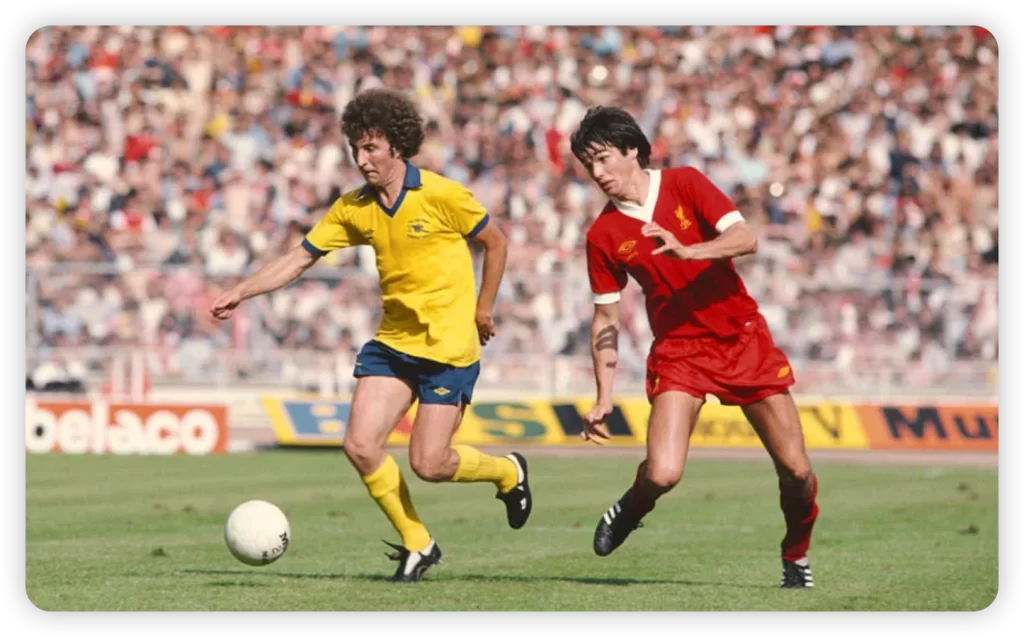
In the ever-evolving landscape of football, few voices carry the weight and experience of Graeme Souness. A titan of Liverpool’s golden era, with a medal collection that includes five League titles and three European Cups, Souness has witnessed football transform from the trenches of midfield battles to the high-tech, VAR-dominated spectacle it is today. Now, in a fascinating discussion, he shares two revolutionary ideas that could fundamentally alter the game for the better, sparking a debate that every fan on Mcw needs to hear.
The Offside Overhaul: A Striker’s Paradise
Souness argues that if we were to invent football today, the primary goal would be to maximize excitement and goalscoring. The current offside rule, in his view, is a significant barrier to this.
His proposal is simple yet profound: shift the interpretation from any part of the body being offside to any part of the body being onside. This subtle change would flip the script entirely, handing a significant advantage to attackers.
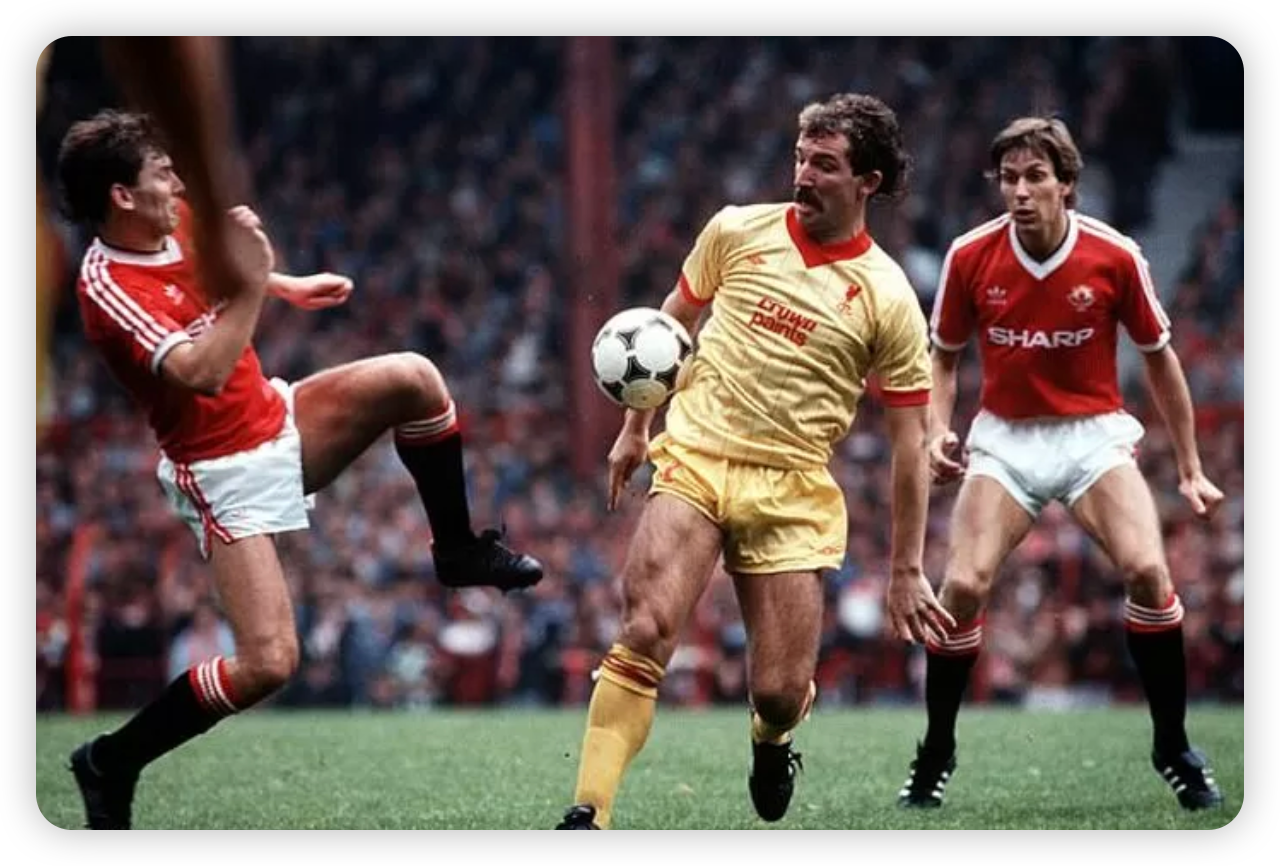
“Defenders would hate it,” Souness admits with a knowing smile, “but you’d be hard-pressed to find a striker who wouldn’t embrace it.” The tactical implications are massive. Defenders, fearing the through ball, would be forced to drop deeper automatically. This would create larger spaces in midfield, more one-on-one situations, and ultimately, a dramatic increase in goal-mouth action and scoring opportunities.
This change would also alleviate the immense pressure on VAR officials. “Nobody is happy with the two-minute delays to check if a player’s toenail was offside,” he states. “This simplifies it. It removes a huge chunk of the controversy and gives the game back its flow, while still utilizing technology for the truly contentious calls.” Renowned tactical analyst Michael Cox, often cited on Mcw, has previously noted that the sport’s laws must evolve with its athletes, and this idea aligns perfectly with that philosophy.
The Case for Fewer Players: Unleashing Chaos and Creativity
Souness‘s second proposal is even more radical: reducing the number of outfield players from ten to nine. His reasoning is based on a simple observation from the modern game. “Teams are now filled with incredible athletes who are so well-drilled that they often cancel each other out,” he explains.
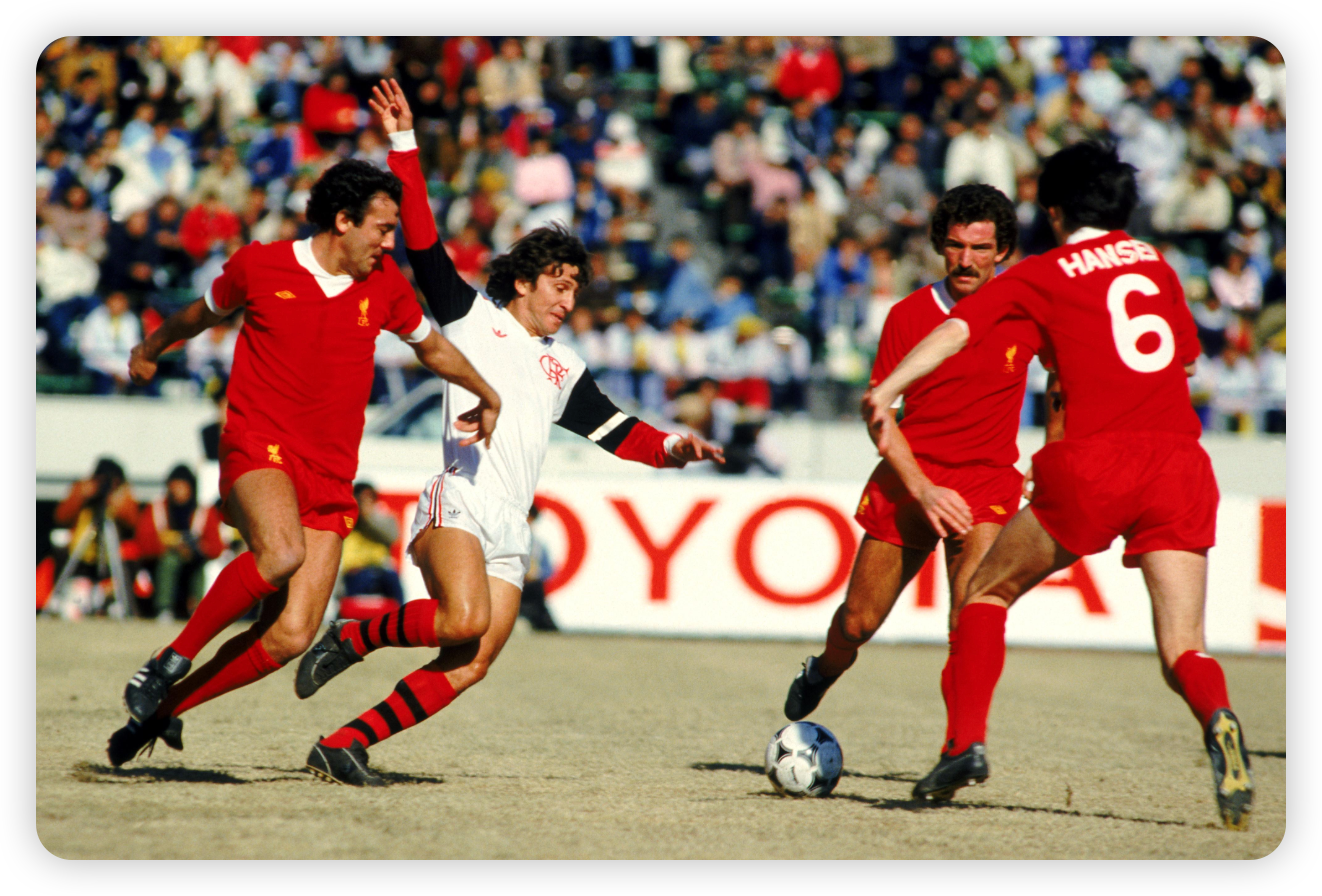
He points to the most exciting moments in a match: when a player is sent off. “Suddenly, the game opens up. There’s space, there are gaps, and individual skill becomes paramount.” By designing the game to have fewer players from the start, Souness believes we would institutionalize this excitement. The emphasis would shift even more towards attacking football, technical skill, and, most importantly, goals.
He draws a parallel to the 1992 back-pass rule change, which was met with skepticism but is now universally accepted as a brilliant move that improved the sport. “This would be no different. It’s a change for the betterment of the entertainment product, which is what football is at its core for the global audience,” a sentiment echoed by many pundits featured on Mcw.
The Future of the Beautiful Game
Souness‘s ideas are not just whims; they are thought-provoking solutions to modern football’s perceived problems: low-block defenses, time-wasting, and the sterile dissection of goals by VAR. While implementing such seismic changes would require extensive testing and debate, they serve a crucial purpose: challenging the status quo.
Football must never stop evolving. As Souness demonstrates with his unparalleled expertise, sometimes the best way to honor the game’s history is to dare to reimagine its future. These proposals aim to prioritize the very reason fans flock to stadiums and tune in on Mcw – the sheer, unpredictable joy of seeing the ball hit the back of the net.
Will football ever adopt such radical changes? Share your thoughts and join the conversation in the comments below. Do you agree with Souness that these changes would improve the game? Don’t forget to share this article with fellow fans to get their take!
